Dinoustech Private Limited
Fintech App Development in Tamil Nadu: From Idea to Market Launch
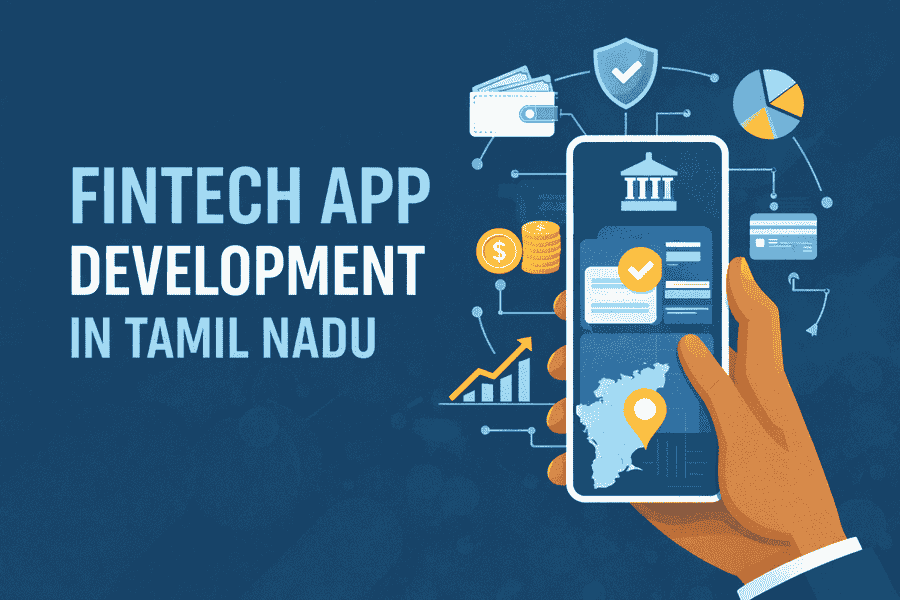
Tamil Nadu is at a very interesting juncture. From Chennai's corporate towers and fintech incubators to Coimbatore's manufacturing clusters and Madurai's thriving trade corridors, no other state offers as deep a bench of users, merchants, and institutions ready for digital financial services. Across mid-size cities like Tiruchirappalli, Salem, and Tirunelveli, demand for accessible payments, faster collections, and affordable credit is on the rise. Smaller but fast-growing nodes such as Erode, Vellore, and Thoothukudi clearly have an appetite for merchant tools and payroll automation. This powerful mix of scale and regional variety makes Tamil Nadu one of India's most interesting markets for fintech innovation, while working with a capable fintech app development company in Tamil Nadu helps to translate product ideas into real, local traction.
Even within metropolitan Chennai, places like Avadi, Tambaram, and Pallavaram have a mix of salaried customers and micro-businesses with everyday financial needs, while the industrial belts in Tiruppur, Hosur, and Ranipet have specialized needs for supply-chain finance and payroll. Similarly, a host of coastal and port towns, including Thoothukudi and Nagapattinam, present special needs in terms of settlement and foreign exchange, while heritage regions like Thanjavur and Dindigul bring seasonal commerce that benefits from flexible payout systems. A successful product roadmap strikes a balance between countrywide railways such as UPI with pragmatic local UX, language support, and partnerships that make adoption across Karur, Kancheepuram, and Nagercoil practical and not theoretical.
Market overview: opportunity across cities and sectors
Digital adoption is uneven but accelerating in Tamil Nadu, creating room for targeted fintech plays. The Chennai ecosystem allows for neo-banking, wealthtech, and enterprise payroll platforms, while Coimbatore and Tiruppur create an immediate demand for SME lending, invoice discounting, and automation of receivables because those regions are manufacturing-heavy. Madurai and Tiruchirappalli are merchant-led markets where point-of-sale adoption rises as traders get connected to e-commerce channels and logistics networks. Salem and Erode need embedded finance that respects the seasonality and inventory cycles of textile and small-scale manufacturing clusters.
In coastal towns like Thanjavur, Nagapattinam and Tuticorin, tourism and port-linked commerce create transaction spikes and reconciliation challenges. Inland micro-markets—Dindigul, Karur and Sivakasi—benefit from transaction simplification and affordable credit that smooths cashflow. Suburban growth in Avadi, Tambaram and Pallavaram generates pockets of salaried customers ready for neo-banks and micro-investment apps, while development in Hosur, Ranipet and Tirupattur needs fintech that integrates vendor payouts and contractor management. Recognising these patterns is the first step; execution depends on a partner who combines product design with on-ground operational playbooks, which is why many teams prefer a seasoned fintech software development company to handle the build and early growth.
Also Read: - Fintech App Development Services in Sikkim: Key Benefits & Use Cases
Understanding users and product-market fit
Customers in Chennai expect polished UX, secure multi-bank aggregation and instant settlements, but those expectations do not map uniformly across the state. In Coimbatore and Tiruppur, business owners want invoicing, GST-aware reconciliations, and short-term working capital more than flashy investment options. Meanwhile, Madurai and Sivakasi host shopkeepers and small traders who value simple onboarding, low transaction fees and paperless receipts—features that reduce daily friction and encourage repeat use. In smaller urban centers like Vellore, Dindigul and Karur, trust is often community-led; partnerships with local microfinance institutions and merchant associations accelerate adoption.
Rural-adjacent towns such as Tenkasi, Nagercoil and Ranipet require offline-capable experiences and vernacular customer support. For migrant-worker remittance flows tied to families in Nagapattinam or Tirunelveli, reliability and low cost are the priority. Effective product-market fit comes from combining qualitative field research in markets like Thanjavur and Salem with quantitative analytics in cities like Chennai and Coimbatore. A pragmatic fintech app development company in Tamil Nadu will layer a discovery phase that conducts interviews in places from Karur and Kancheepuram to Hosur and Pallavaram, ensuring the roadmap responds to real behaviour rather than assumptions.
Core fintech services: payments, banking and aggregation
At the heart of most fintech launches are payments and basic banking features. UPI rails, recurring bill payments and instant NEFT/IMPS accessibility are table stakes in urban hubs such as Chennai, Coimbatore and Madurai. For merchants in Tiruppur, Erode and Salem, integrated POS systems that automatically feed reconciliation dashboards remove a huge operational burden and open pathways to lending based on real transaction history. In smaller towns like Cuddalore, Villupuram and Nagapattinam, where connectivity can be patchy, offline-first wallets and deferred-syncing transactions keep commerce moving until the device reconnects.
Aggregation features that let users view balances or statements across multiple banks are particularly valuable in suburban clusters such as Avadi and Tambaram where households maintain several accounts for remittances, savings and business. Interoperability with local cooperative banks and NBFCs increases reach in districts where large banks have limited branch presence, such as Karur and Thoothukudi. A comprehensive payments strategy designed by an experienced fintech software development company will balance speed, reliability and clear fees so both consumers and merchants—from Ranipet to Thanjavur—choose digital over cash more often.
Must Read: - Cost of Fintech App Development in Rajasthan: Full Breakdown
Lending and credit: underwriting for Tamil Nadu’s diversity
Lending is one of the highest-leverage product categories but demands localised underwriting. In manufacturing hubs like Tiruppur, invoice-discounting and supply-chain financing help factories smooth purchase cycles. Coimbatore-based small enterprises benefit from working-capital lines that integrate with ERP or sales data, while salaried lending and BNPL services find early traction among professionals in Chennai, Avadi and Pallavaram. For agricultural and seasonal economies near Dindigul and Thanjavur, credit products tied to harvest cycles and mandi prices reduce default risk when designed with flexible tenors.
Alternative data is essential where bureau history is incomplete. Merchant transactions in Madurai’s bazaars, purchase patterns in Sivakasi, airtime and device signals in remote neighborhoods of Tenkasi and Nagercoil, and corroborative trade statements in Hosur provide usable signals for responsible underwriting. Collections strategies must be local-aware: festival payment holidays, festival-centric cashflows in Thanjavur and Madurai, and migration-based remittance schedules influence repayment behavior in towns like Nagapattinam and Tirunelveli. Fintechs that build transparent loan journeys with clear disclosures win trust faster across these diverse districts.
Merchant and SME finance: practical tools for growth
Small and medium enterprises in Tamil Nadu are a major adoption vector for fintech. Manufacturers in Coimbatore, Tiruppur and Erode need invoice-finance products, dynamic discounting, and vendor payout orchestration to free up working capital. Traders in Madurai, Salem and Sivakasi need simple billing, instant reconciliation and affordable merchant credit to manage raw material cycles. For hospitality and tourism operators in Thoothukudi, Thanjavur and Nagapattinam, integrating payment gateways with booking platforms and local POS helps reduce no-shows and streamline refunds.
Startups and platforms that combine merchant tools with loyalty and settlements increase merchant retention. For example, a marketplace serving artisans in Kancheepuram and Thanjavur that bundles payments, invoicing and short-term loans creates an immediate value chain. Corporate payroll solutions for mid-sized firms in Hosur and Ranipet that automate statutory deductions and vendor payouts become essential as manufacturers scale. Delivering these services reliably across cities such as Karur, Cuddalore and Villupuram requires pragmatic engineering and strong vendor integrations—areas where a fintech app development company in Tamil Nadu can accelerate time-to-market.
Also Read: - Fintech App Development in Punjab: Trends, Opportunities & Challenges
Wealth, insurance and remittance: building broader financial habits
Beyond payments and credit, there is clear demand for investment and protection products. Wealthtech services—micro-SIPs, goal-based savings and simple mutual fund onboarding—resonate with urban professionals in Chennai, Coimbatore and Vellore. Insurance distribution for travel, health and micro-enterprise protection gains traction in tourism-rich pockets like Thoothukudi and Thanjavur where seasonal revenue volatility matters. Remittance services that enable fast, low-cost transfers between Tamil Nadu nodes and interstate destinations are vital for households in Nagapattinam, Tirunelveli and Nagercoil with migrant family members.
Bundling remittance with savings and insurance increases retention: families who receive regular support can be nudged to save a portion or enroll in affordable health cover. For education-focused towns like Tiruchirappalli and Kancheepuram, fee-based lending and long-term savings plans for tuition create natural product fits. Designing these products with transparent terms, simple claim journeys and vernacular support expands financial inclusion across both Chennai’s suburbs and smaller centers such as Dindigul and Srirangam.
Regtech, security and trust: compliance across Tamil Nadu
Operating financial products at scale requires rigorous regulatory and security foundations. KYC and AML processes must satisfy national guidelines while remaining practical for users who may rely on local IDs or have limited documentation, a reality for some households in Tirupattur or Sivakasi. Fraud patterns vary by market: digital-first urban pockets see more account-takeover or synthetic ID attempts, while social-engineering and cash-trap scams are more common in smaller towns. Continuous transaction monitoring, layered authentication, and clear dispute escalation channels are essential across all nodes.
Privacy and consent management matter, particularly in tourist corridors and border-adjacent settlements where international or inter-state transactions are common. Implementing encrypted data storage, role-based access, and routine security audits builds credibility in Chennai and beyond. Partnerships with local banks, legal counsel, and regulatory experts help navigate state-specific tax and compliance nuances in places like Thanjavur, Nagapattinam and Tirunelveli. A fintech software development company that embeds regtech into the product lifecycle reduces later cost and complexity when scaling across districts.
Must Read: - Fintech App Development Services in Odisha: Key Benefits & Use Cases
AI Implementation: smarter underwriting, chatbots and personalization
AI unlocks scale and personalisation when used responsibly. Localised underwriting models trained on regional signals—manufacturing cycles in Tiruppur and Coimbatore, festival-driven revenues in Madurai and Thanjavur, or shipment volumes in Hosur and Ranipet—improve credit decisions and reduce defaults. Conversational AI and chatbots with Tamil language support lower support costs and improve onboarding completion rates in Chennai suburbs, Avadi and Tambaram, while also serving rural users in Nagercoil and Tenkasi who prefer vernacular interactions.
Recommendation engines help surface relevant products—savings for Cheltenham-style salaried professionals in Chennai, or device insurance for merchants in Erode and Karur—while anomaly detection flags suspicious merchant behaviour across payment flows in Sivakasi and Cuddalore. Explainability and human-in-the-loop validation are essential: models must provide transparent reasons for denials and allow manual review, especially when decisions affect livelihoods in places like Nagapattinam or Dindigul. Responsible AI, combined with operational processes, helps fintechs scale across Tamil Nadu without sacrificing fairness.
Go-to-market and the launch playbook: from idea to market
Launching in Tamil Nadu is a staged exercise: validate product-market fit in one metropolitan node such as Chennai or Coimbatore, then iterate in an industrial cluster like Tiruppur or a trading hub like Madurai. Pilots in neighbourhoods like Pallavaram or Tambaram help validate consumer flows while simultaneous merchant pilots in Hosur, Ranipet or Tiruppur test SME features. Local distribution partnerships—linking with trade associations in Erode, textile unions in Tiruppur, tourism boards in Thanjavur and hospitality aggregators in Thoothukudi—accelerate sign-ups and provide early traction.
Operational readiness matters: regional customer support teams, vernacular onboarding, and local compliance checklists ensure the product works across diverse districts from Karur and Kancheepuram to Villupuram and Nagapattinam. Measurement frameworks should track activation, retention and loan performance across coastal, urban and industrial segments and adjust pricing, underwriting and marketing accordingly. Partnering with an experienced fintech app development company in Tamil Nadu streamlines this journey; firms like Dinoustech bring product expertise, integration experience and local operational playbooks that reduce launch risk and speed time-to-market.
Conclusion
Tamil Nadu offers a rare mix of dense urban demand and rich, varied micro-markets across Coimbatore, Madurai, Tiruchirappalli (Trichy), Salem and beyond. Products that balance national rails with local empathy—simple payments, pragmatic lending, merchant tools, wealth, and insurance offerings—can win broad adoption from Chennai’s tech-savvy users to traders in Sivakasi, Dindigul and Karur. Execution requires deep operational thinking: local-language support, offline-capable experiences, and partnerships with co-ops, NBFCs and trade groups.
Choosing the right partner matters. A pragmatic fintech software development company with regional experience reduces complexity and helps convert prototypes into products that people use daily. Dinoustech combines engineering discipline, compliance know-how and on-ground execution to guide teams from idea through pilot to market launch—whether the target is Chennai’s enterprise corridors, Coimbatore’s factories, Madurai’s markets, or the growing suburbs of Avadi, Tambaram and Pallavaram. If you want a phased launch plan or a tailored cost estimate for a pilot across two representative cities—say Chennai + Tiruppur or Coimbatore + Madurai—Dinoustech can draft a roadmap that maps product features to local realities and measurable business outcomes.