Dinoustech Private Limited
How to Develop a Fantasy Sports App That Drives Real Results
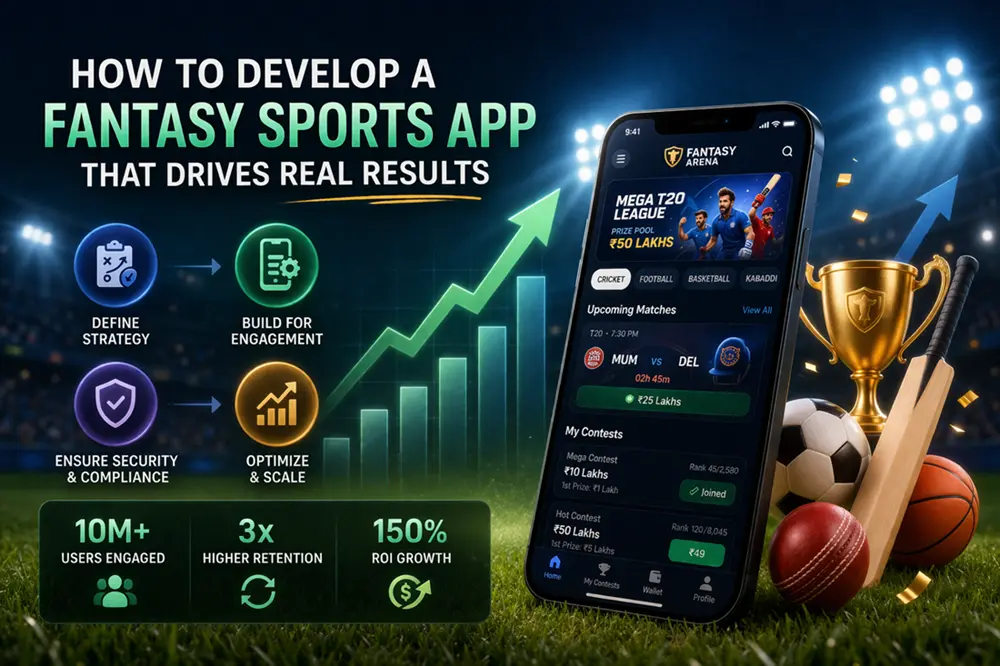
A fantasy sports app can do more than just get users to sign up. It can keep users active, encourage them to come back, and make money during big tournaments. That’s why founders, sports media companies, and gaming startups keep investing in these apps. They are not just making an app; they are creating a product that keeps users engaged during live matches, fast score changes, and when they want quick updates.
The chance to succeed is real because the market is still growing. Grand View Research says the global fantasy sports market was worth about $24.9 billion in 2024 and could reach $56.4 billion by 2030, with a growth rate of 15.2% from 2025 to 2030. The fantasy sports market in India is also growing fast. It was worth about $786.7 million in 2024 and is expected to reach $2.3 billion by 2030. This growth means businesses can succeed, but only if they create the right product from the beginning.
This guide explains how to build a fantasy sports app that gets real results. It talks about strategy, planning, features, tech choices, budget control, launch ideas, and the right company for app development. It also shows how developing an IPL fantasy cricket app can help you attract eager users during the biggest cricket season.
Why the Market Rewards the Right Product and IPL Timing
Fantasy sports work because they keep fans engaged with the game. Fans don’t just watch; they make choices, track player stats, and check scores all day. This leads to more visits and longer time spent on the app. It becomes part of their game day routine, helping to keep users and make money. That’s why this type of game is growing in cricket, football, basketball, and other sports.
India is a key market for fantasy cricket apps, with the IPL bringing in a lot of demand. A report in April 2025 said that the Indian fantasy gaming industry expects IPL 2025 revenue to rise by 25% to 30% compared to 2024, reaching around $500 million to $525 million during the tournament. This shows how important one season can be when the app matches what users want.
For business leaders, this means the app needs to be built differently. The goal is not just to launch quickly, but to launch a quality app that can handle busy times, keep users engaged, and grow in the future. A slow or confusing app during live matches will lose users fast. A reliable app can turn new visitors into regular players.
The IPL is not just another event; it’s the biggest cricket season in India, creating a great chance for attracting and engaging users. That’s why developing an IPL fantasy cricket app is a priority for founders wanting quick success. Users are already active, teams are discussing lineups, and match schedules lead to predictable spikes in usage. This creates a strong need for a well-made app.
This seasonal demand changes how the product is planned. The app should be ready before the season starts, not in the middle. The best way is to launch the main product early, test it with a small group, and fix issues before the busy time. This protects your brand and gives you time to improve features like payments, scoring, and leaderboards. It also helps your support team get ready for match days.
A fantasy app development company that knows cricket will focus on how tournaments work, not just the app design. It will prepare for busy match days, peak registration times, and frequent logins around toss time and breaks. This planning can make the difference between a tough launch and one that keeps growing throughout the season.
Also Read: - Fantasy Sports App Features: Frontend, Backend & Admin Panel
Start With a Clear Business Plan
Every good fantasy app project starts with a business plan, not just code. Before designing, the team should decide on the sport, region, money plan, and launch goal. Some brands want a general multi-sport app, while others want a specific cricket app. Both can work, but the plan must be clear. A focused launch usually does better because it is simpler and easier to test.
Next, define the user journey. Users should be able to sign up, create a team, join a contest, track their performance, and take out winnings easily. More steps can lead to users dropping off. That’s why the best teams think about user flow first and features second. They focus on the most important actions, not a long list of wishes.
This is also when you decide how your app will be different. A smooth scoring system, quick leaderboards, easy sign-up, better rewards, or a smart referral system can keep users engaged. A fantasy app company with experience will usually encourage this focus. It helps avoid a broad plan and keeps the first release realistic, which controls time and costs.
Build the Core Features First
A fantasy sports app doesn’t need every feature right away. It needs the main ones first. The basic features should be signing up, logging in, managing profiles, creating teams, browsing contests, joining contests, getting live score updates, handling wallets, sending notifications, and showing history. These features help users and set the stage for future updates. Without them, the app will feel unfinished, and users won’t come back often.
Live scoring is very important. Users don’t just want to look around; they want to see results in real time and check how their choices are doing during the game. This means your system must handle live data quickly and show updates right away. If score updates are slow or don’t work, users will lose trust. That’s why fast data processing, good caching, and reliable APIs are as important as the app’s design.
Advanced features can come later. You can add private contests, support for multiple entries, social sharing, leaderboard filters, detailed analytics, and rewards in future updates. This way, the app stays simple at launch, and you can see how users really behave. A smart plan saves money, speeds up feedback, and helps you focus on the features that users want.
Must Read: - How to Develop an IPL 2026 Fantasy Sports App?
Plan the Technology Stack Carefully
The technology used affects speed, cost, and growth. For the front end, teams often pick native iOS and Android builds for the best performance or cross-platform development for faster release. For the back end, strong server logic is key because fantasy sports apps deal with live events, scores, accounts, and transactions at the same time.
Database design is also very important. Contest data, user info, transaction history, and scores need to be stored and accessed quickly. A weak setup can lead to slow pages and failed transactions. That's why planning the structure should happen before development starts. Good planning reduces bugs, helps with growth, and makes updates easier. It also allows the team to keep changing product features separate from stable system parts.
The right fantasy sports app team will also plan for cloud hosting, load balancing, and monitoring from the beginning. These choices affect not just uptime but also how well the app handles big games, sudden traffic, or payment spikes. Poor setup can cause problems later. A well-planned system helps your product run smoothly when demand increases.
Keep Fantasy App Development Cost Under Control
The cost of making a fantasy app depends on its size, the platform you choose, features, design, and backend work. A simple app costs much less than a full featured one. To save money, focus on the main features that bring in money and keep users. You can add extra features later once the app is successful.
Using third-party services can also lower costs. Services for payments, live scores, user checks, and notifications are often better than building everything yourself. Reusable parts save time and make future updates easier. It's important to pick trustworthy services and test them well. Saving money shouldn’t mean losing trust, especially for an app that deals with money and competition.
A good plan includes a release schedule. Instead of spending all the money at once, break the work into versions. The first version shows the idea works. The second version gets users more involved. The third version adds more details or sports. This way, the project is easier to manage and the costs are clearer. It also helps investors see where the money is going.
Also Read: - Advantages of Developing Fantasy Sports Apps: Increasing User Involvement
Focus on Security, Fair Play, and Trust
Fantasy apps manage login info, wallet amounts, player data, and transaction history. This means security is very important. Users need to feel their accounts are safe and their money is secure. There are no shortcuts here. Using encrypted data, secure logins, controlled access, and clear records is essential.
Fair play is also key to trust. The app must calculate points correctly, explain contest rules clearly, and avoid mistakes in rankings. If users think the scoring is wrong, they will quickly lose trust. So, the backend logic must be steady, and the scoring rules must be clear. Good testing helps find problems before users do, and a clear support process helps fix issues when they arise.
Security and trust also help growth. Users who trust the app are more likely to add money, join more contests, and come back for future seasons. This leads to better business results than just getting new sign-ups. The best fantasy app developers will see trust as part of the product, not just a task at the end. This approach improves quality and helps the app succeed in a busy market.
Design for Real Users, Not Just for Launch
A good fantasy sports app is made for real users. It should be easy to navigate, have clear contest cards, simple team selection, and quick access to results. Many apps fail because they look too busy instead of clear. Users want things to be easy and fast. The app should help them make quick choices and get quick feedback right from the start.
The design should match how users act during live games. Users quickly check scoreboards, teams, and updates. The app should have clean layouts and responsive screens to support this. Small changes in speed and clarity can keep users coming back more than flashy designs. A user-friendly app also means fewer support questions and makes it easier to recommend to friends.
Good design helps the app grow. Users should be able to share results, invite friends, and join private leagues easily. These actions keep users engaged and help the app grow. A simple interface that fits how fantasy players really use it will usually work better than a complicated one. It makes a strong first impression and keeps the app easy to use over time.
Must Read: - Most Important Features of a Successful Fantasy Sports App
Choose the Right Fantasy App Development Company
The partner you choose will affect the product's quality. A good fantasy app development company should know about live scoring, contest rules, wallet systems, traffic changes, and app store needs. It should also plan well to avoid extra work later. Good teams don’t just code fast. They ask the right questions, make simple plans, and think about growth.
Dinoustech can be a good fit for businesses that need practical help and smart product ideas. As a top software development company for custom digital products, Dinoustech can assist with planning, design, engineering, and support for launching. This is important because fantasy products need to be quick and reliable. They must be ready on time and work well under pressure. A partner that balances these can save time, lower risks, and improve the build process.
Before choosing a partner, check their past work, how they work, and their support system. Ask how they handle testing, live data, scaling, and changes after launch. Inquire about managing costs without lowering quality. A trustworthy team will give clear answers and show how they protect your time and budget. This kind of openness is a good sign for a successful partnership.
Turn the App Into a Long-Term Business
A fantasy sports app should keep improving after it launches. The real value comes from using data to make it better. Look at where users leave, which contests are popular, and which parts of the app get the most use. Use this information to guide your updates. This is how good products stay useful. They learn from how users act and change quickly instead of waiting too long to update.
Planning for different seasons is also important. Cricket schedules, tournament times, referral programs, and rewards all affect how users engage. The app should change with these events. New contest types, better alerts, and special rewards can increase user interest during important times. The best products try new ideas and update features in small steps. This keeps the app fresh without making too many changes at once.
The main goal is clear: create a product that keeps working after the first marketing push. A good fantasy app should bring users back, provide steady income, and allow for future growth. With a solid plan, a good team, and focus, developing a fantasy sports app can become a long-term business instead of just a one-time project.
A smart launch plan also helps you see results quickly. Track how many users stay, join contests, spend time on the app, refer others, and make payments in the first week. These numbers show what users like and where they leave. They also help you decide which features need more investment. Good fantasy sports app development is not just about coding well. It’s also about learning fast and improving with each update. The teams that succeed usually release, measure, fix, and repeat without wasting time on features that don’t help the business. This is how a fantasy product grows steadily instead of just pushing for one season.